Let’s be honest for a second. Say “team building” out loud in most offices and you will get a mix of eye rolls, forced smiles, and people suddenly remembering they have “urgent work”.
It’s not that teams oppose the need to connect. It’s that too many activities feel awkward, forced, or just plain dull. Get it right, though, and things shift. People loosen up. Conversations happen naturally. Work feels a bit lighter the next day.
So, here are 11 team-building ideas that people actually enjoy showing up for, starting with one that tends to surprise even the sceptics.
Team Building Activities That Actually Work
Before jumping in, here’s the common thread: these are not about ticking a box. They are about giving people a reason to interact without pressure.
1. Silent Disco Party
This one flips expectations straight away.
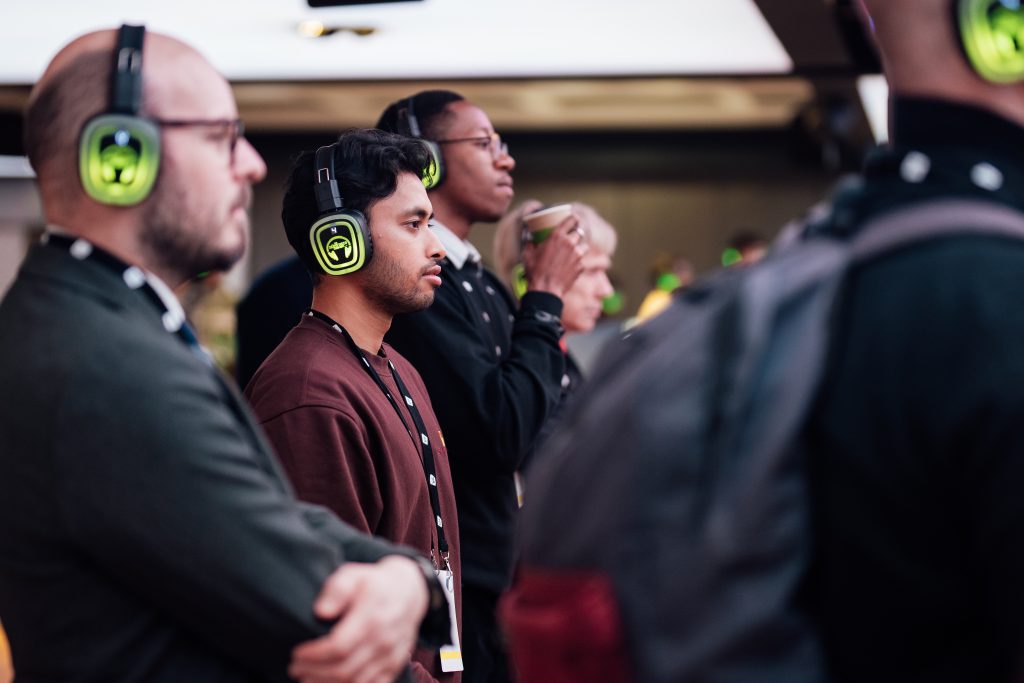
A silent disco party works because it removes the usual barriers. Everyone wears wireless headphones and tunes into different music channels. From the outside, it’s quiet. Inside the headphones, it’s a full-on shared experience.
What makes it great for teams is the freedom it gives people. No one feels put on the spot. You can dance, laugh, switch channels, or observe and ease into it.
With professional silent disco hire, you also get access to high-quality wireless conference headphones. These can be used beyond music. Think team briefings, breakout sessions, or even multi-channel presentations where different groups listen to different content at the same time.
It’s social without being overwhelming. Structured without feeling rigid. Finally, it usually ends in laughter.
2. Scavenger Hunt
A classic for a reason. Teams split into groups and follow clues around a set location. It gets people moving, thinking, and working together without overthinking it. There’s always a bit of friendly competition. That’s part of the charm.
3. Escape Room Challenge
Lock a group in a room and give them puzzles to solve. Simple idea, surprisingly effective.
It forces communication. Fast. You quickly see who takes the lead, who spots patterns, and who keeps the group grounded when things get chaotic.
4. Cooking Challenge
Put teams in a kitchen setting and give them a task. Create a dish, follow a theme, or work with limited ingredients. It’s hands-on and slightly unpredictable. Things go wrong. People improvise. That’s where the bonding happens.
5. Board Game Night
Sometimes the simplest ideas land best.
A board game night gives people a chance to relax and interact without any pressure. You sit down, pick a game, and let things unfold. Strategy, luck, quick thinking… it all comes into play depending on what’s on the table.
What makes it work is how natural it feels. Conversations happen without effort. People open up a bit. Somewhere along the way, it gets surprisingly competitive in a good way.
6. Blind Drawing
This one sounds easy. It rarely is.
One person describes an image while the other tries to draw it without seeing it. That’s it. No shortcuts. What follows is usually a mix of confusion, laughter, and the occasional “that’s not what I meant at all”. Honestly, that’s the whole point.
It shows how differently people hear and interpret the same thing. A simple exercise, but it reveals a lot about communication.
7. Laser Tag
Fast, loud, and hard to ignore.
Laser tag drops people into a setting where they must think and react quickly. You are working as a team, but things move fast enough that instinct takes over.
Plans form on the go. Roles shift. Someone takes the lead without realising it. It seldom feels like a structured activity. It just feels like fun. That’s why it works.
8. Crafts with a Personal Twist
Slow things down for a moment.
Here, people create something that reflects a bit of who they are. It could be simple. It could be detailed. That part does not matter.
What matters is the shift in pace. People focus, share ideas, and often end up discussing things you would not hear in a meeting room. It’s quiet, but not dull. There’s a different kind of connection in it.
9. Ropes Course
A little height changes everything. Ropes courses ask people to step slightly outside their comfort zone. Nothing extreme, just enough to get them relying on each other.
You will see encouragement, hesitation, and small wins. Someone climbs higher than they expected. Someone else offers support from the ground. It builds trust without needing to spell it out.
10. Social Deduction Games
This is where things get interesting. These games revolve around reading people, spotting clues, and sometimes bluffing your way through. You are never entirely sure who’s telling the truth.
That uncertainty is what makes it engaging. People start paying closer attention. Body language, tone, timing. It flips the usual dynamic. It keeps everyone involved.
11. Collaborative Arts
Put a group in front of a blank canvas and see what happens.
Everyone contributes to the same piece. No single person owns it. Ideas overlap, change, and build on each other. Some take the lead, others add small touches. Bit by bit, something takes shape. Step back at the end, and it’s more than the finished piece. It’s the process that got you there.
Bringing It All Together
There’s no perfect formula here.
What works for one group might not work for another. The key is to pick something that feels natural for your group and give people room to engage in their own way.
Some teams want energy and noise. Others prefer something more low-key. Both are valid. The best team-building never feels like a task. It feels like time well spent.
Frequently Asked Questions
It creates a shared experience without pressure. People can engage at their own pace while still feeling part of the group. The mix of music, movement, and interaction keeps things light and natural.
Providers supply wireless headphones, transmitters, and setup support. Many also offer multi-channel options, which can be used for music or structured sessions, like presentations and group activities.
Yes. It can be adapted easily. Alongside music, the same equipment can support presentations, training sessions, or breakout discussions, making it more flexible than it first appears.
Start with your team’s personality. If they enjoy social settings, go for something lively. If they prefer quieter interaction, opt for smaller group activities or workshops.
Absolutely. Most of these ideas scale well. In fact, smaller groups often find it easier to connect, as there’s more space for individual participation.